
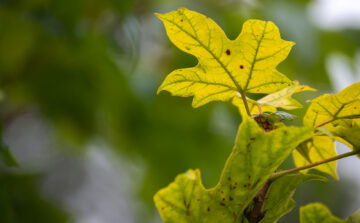
Magnolia Scale
Magnolia Scale:
Protecting Your Magnolias from Harmful Infestations
September 9, 2026
If you have a magnolia tree in your yard, you know just how much it can brighten up your landscape with its gorgeous blooms and graceful branches. But did you know your magnolia could be at risk from a sneaky pest called magnolia scale? Don’t worry; understanding what magnolia scale is and how to handle it will help you keep your trees looking their best for years to come.
What is Magnolia Scale?
Magnolia scale is an aphid-like bug that loves to feast on your magnolia tree’s sap. These little pests hide under waxy coverings, making them tricky to spot at first. As they feed, they can weaken your tree’s branches, which isn’t great for its overall health. One of the biggest giveaways that you have magnolia scale is a sticky substance called “honeydew” that shows up on leaves and anything underneath the tree. This honeydew can attract bees and wasps and even lead to the growth of black, sooty mold. Learn more about magnolia scale.
Recognizing Magnolia Scale Infestations
Some magnolia varieties, such as Star, Saucer, Cucumber, and Lily, are especially susceptible to scale. Here’s what to watch for if you think your magnolia might be in trouble:
- Sticky honeydew coating leaves and surfaces beneath the tree.
- Blackened leaves or branches due to sooty mold.
- Large numbers of bees and wasps swarming the area.
- Lumpy gray, white, or beige scales attached to twigs and branches.
- Declining branches or twig dieback.
Understanding the Magnolia Scale Life Cycle
Magnolia scale insects have an interesting life cycle. Female scales lay their eggs from mid-summer to fall, and new scale insects hatch between August and October. These babies (called crawlers) spend the winter tucked away on branches, then start feeding and growing again in the spring. As they get older, they produce increasing amounts of honeydew. By the time fall rolls around, the adult females die, leaving behind a hollow brown shell.
The crawler stage, which happens in late summer and early fall (typically August to October), is when treatments are most effective. Targeting the crawlers during this window helps stop the next generation before they settle and grow their protective coatings. Planning your treatment for this time of year gives you the best chance of keeping your magnolia scale problem under control.
Why Treatment is Essential
If you let magnolia scale go unchecked, it can cause serious damage, sometimes even killing your beautiful tree. The best way to keep your magnolia healthy is to catch problems early and follow a consistent management plan over multiple seasons. Doing so will help protect your investment and keep your trees looking their best. Because magnolia scale is one of the more difficult pests to control, your arborist may even recommend a multi-pronged approach, especially if the infestation is severe. This could include combining different treatment methods and ongoing monitoring to achieve the best results.
Best Practices for Magnolia Scale Management
- Give your tree plenty of water, especially during dry spells.
- Help your magnolia stay strong with some mulch and root care.
- Consider using targeted treatments, like professional insecticide applications, to keep scale in check.
Insect Management & Proactive Tree Care:
Your Path to Healthy Magnolias
Tackling magnolia scale is a two-part job: you’ll want to manage the pest itself with insect management and also give your tree all the support it needs to stay healthy with proactive tree care. By combining these, you can lower the risk of future scale problems and keep your magnolia happy for the long haul.
If you think your magnolia might have scale, reach out to a tree care professional for advice and treatment options. Taking action early can help you protect your trees and enjoy their beauty for many years to come.
Other items you may be interested in:
Why Leaves Turn Yellow in Summer and How to Help
Chlorosis in trees causes yellowing leaves in summer. Learn the causes, symptoms, and treatment options from Minnesota’s ISA Certified Arborists at Rainbow.
Apple Scab: How to Identify, Treat, and Prevent It
Apple scab is a common fungal disease that spots leaves and fruit. Learn to spot the symptoms, treat your apple and crabapple trees, and prevent it.
Do I Need to Water My Trees & Shrubs in Minnesota?
The answer depends on the age of the tree or shrub. Newly planted trees and shrubs need regular watering for approximately two years to help