Winter Survival:
How Plants, Insects, and Wildlife Overwinter Around You
December 10, 2025
With winter fully underway in the Twin Cities, the landscape transforms into a quiet, snow-covered canvas. While it may seem like nature has gone dormant, there’s a remarkable story unfolding just beneath the surface, and sometimes right in front of us. Trees, turf, insects, and wildlife are all engaged in a delicate dance of survival, each with unique strategies to endure the harsh Minnesota winter.
Trees: Silent Strength in the Cold
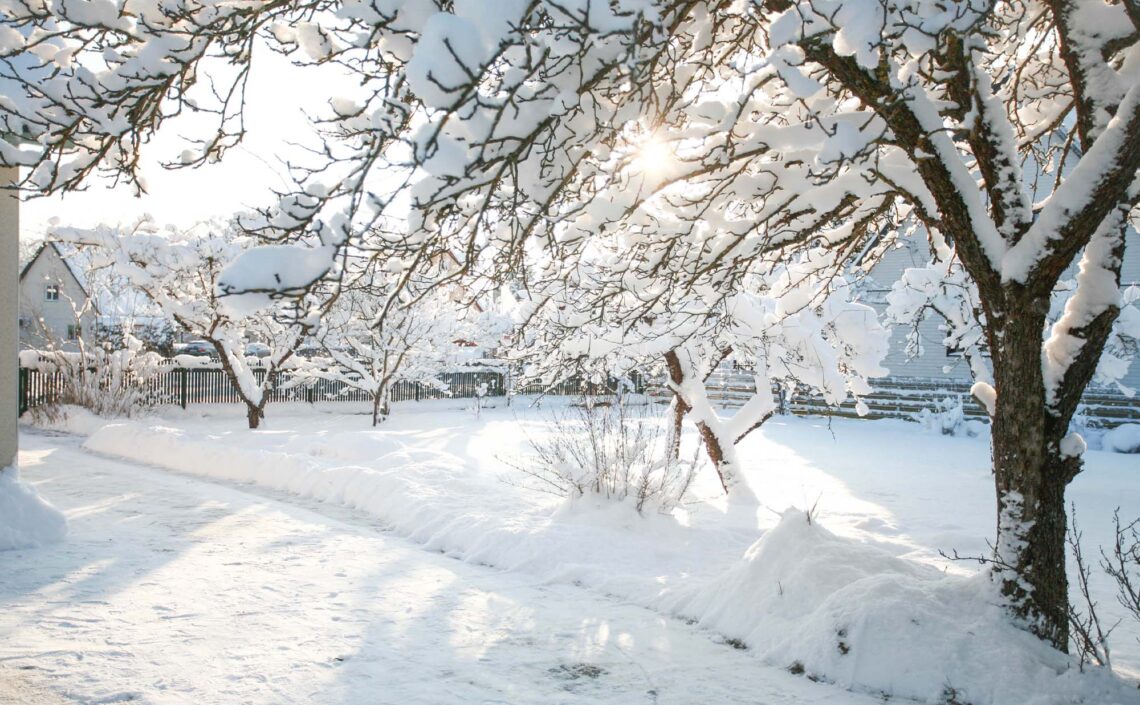
Our urban canopy, from stately oaks to ornamental maples, enters a state of dormancy in winter. This isn’t just rest; it’s a calculated survival tactic. Trees slow their metabolic processes, conserve energy, and rely on stored nutrients to survive months of freezing temperatures. But dormancy doesn’t mean immunity. Applying mulch around the base of trees helps insulate roots and retain moisture. And while pruning might seem counterintuitive in winter, it’s actually an ideal time to remove dead or hazardous limbs before snow and ice make them a danger.
Lawns: Beneath the Snow, Life Waits
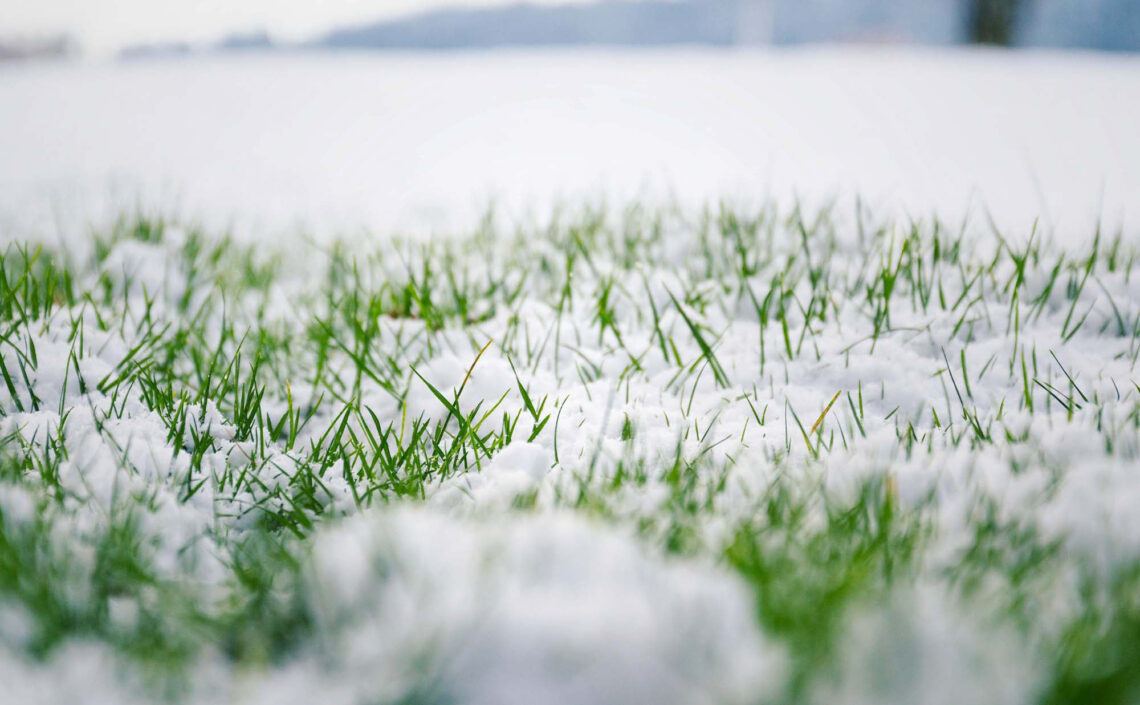
Though your lawn may be hidden under a blanket of snow, the turfgrass is still very much alive. In Minnesota, cool-season grasses like Kentucky bluegrass and fescue enter dormancy, conserving energy until spring. Snow cover acts as an insulator, protecting the crown of the grass from extreme cold. However, heavy foot traffic or snow compaction can lead to snow mold (a fungal disease that thrives in moist, matted conditions). To prevent this, avoid piling snow on the lawn and keep leaves raked before the first major snowfall. If you didn’t get a chance to aerate or fertilize in the fall, make a note for early spring.
Insects and Pests: Hidden, But Not Gone
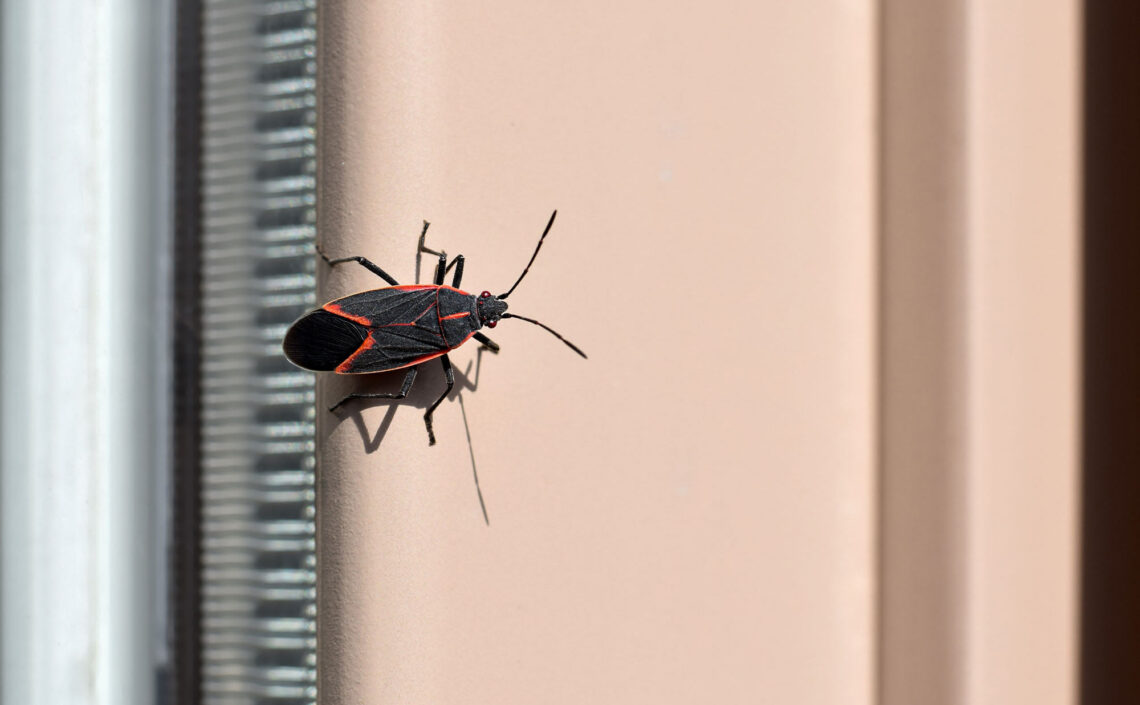
Insects have evolved fascinating ways to overwinter. Some, like Japanese beetles, burrow deep into the soil as grubs, while others, like boxelder bugs and stink bugs, seek shelter in the cracks and crevices of homes. These overwintering pests don’t reproduce indoors, but they can become a nuisance. Sealing entry points and scheduling a fall pest inspection can help keep them at bay. Meanwhile, beneficial insects, such as native pollinators, hibernate in leaf litter or tree bark. Leaving some natural debris in garden beds can support these allies. Just be mindful of balance to avoid harboring unwanted pests.
Have questions about your landscape this winter?
Contact us today to speak with one of our local experts. We’re here to help you care for your world, season after season.
Other items you may be interested in:
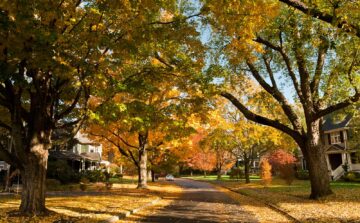
The Science of Fall Foliage
How Seasonal Changes Impact Our Local Ecosystem. Discover why leaves change color and what this season of transition means for Minnesota’s entire ecosystem.
Climate Change and Our Changing Weather Patterns
Learn more about how shifting weather patterns affect trees, lawns, and pests so that you can make informed decisions
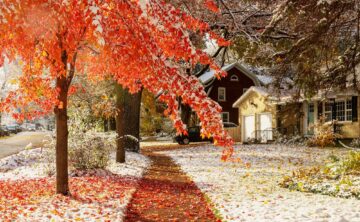
How Trees Prepare for Winter
Learn how trees prepare for winter and get simple, expert-backed tips to help them stay healthy and protected through the cold season.