Tree Damage

Tree Damage:

How to Assess and Save Your Tree

September 16, 2026

Understanding Tree Damage

If you’re a Minnesota homeowner, discovering tree damage in your yard can be stressful. But tree damage does not always mean you have to lose your tree. In many cases, your tree can be saved if you know what to look for and how to respond. This guide will help you understand the types of tree damage, how to assess the situation, your options for saving your tree, and when it’s time to call a professional. With a clear plan, you can keep your landscape healthy, beautiful, and safe.

Common Types of Tree Damage

Common Types of Tree Damage
Trees can suffer damage from a variety of sources. Knowing the types of tree damage will help you quickly identify the problem and decide on next steps. Here are the most common causes:

Storm and Wind Damage

Minnesota’s storms can leave trees with broken branches, split trunks, or even uprooted roots. Storm-damaged trees are common after heavy winds, snow, or ice. Check for hanging limbs, cracks, or leaning trees immediately after a storm.

Broken or Split Branches and Limbs

Broken or split branches can compromise the structure and health of your tree. Smaller wounds may heal, but large splits can invite pests or disease and make the tree unsafe.

Trunk and Bark Damage

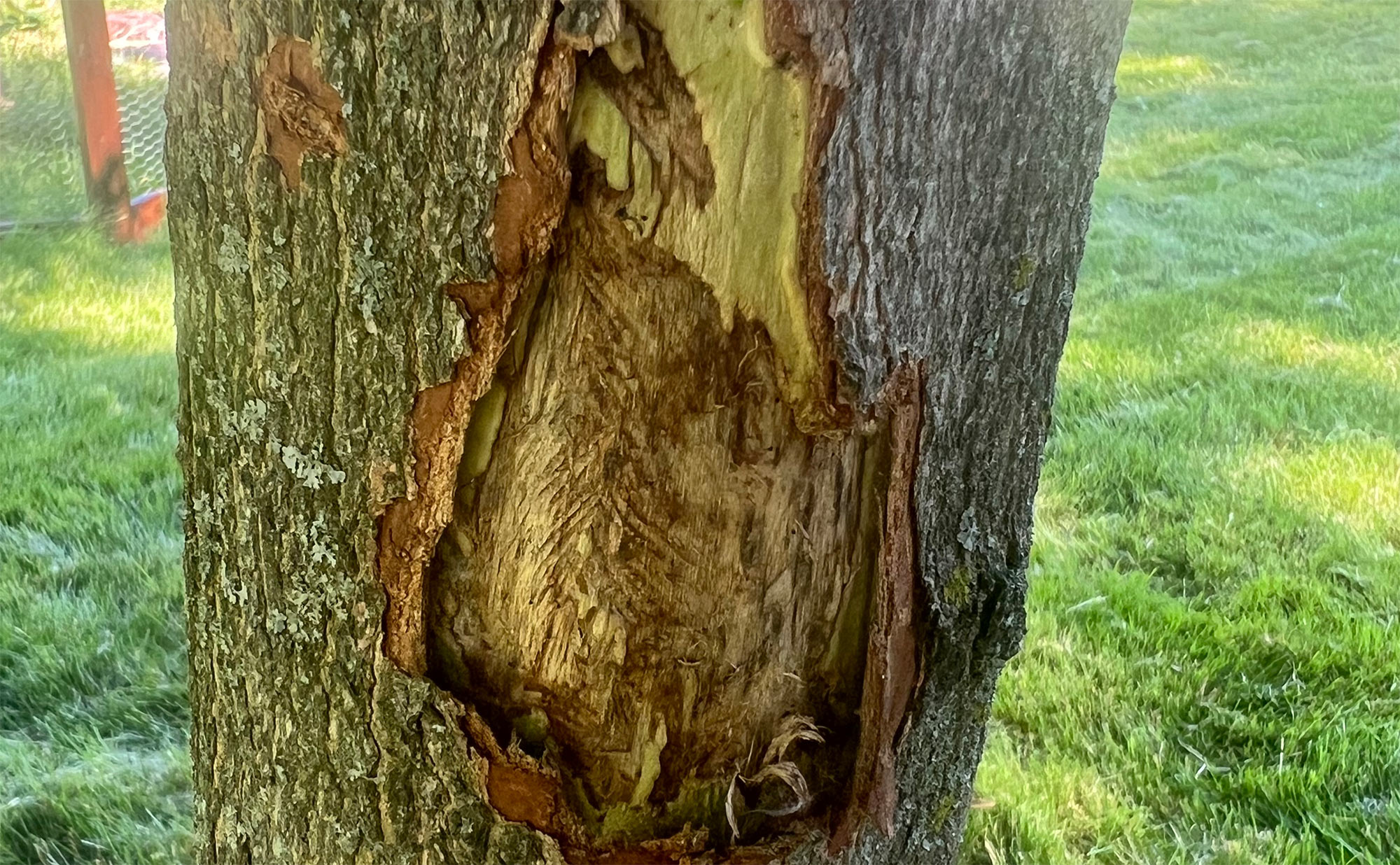
Damage to the trunk or bark, such as from lawn equipment, animals, or storms, can expose the tree’s inner layers. This makes it vulnerable to infection or decay.

Root Damage

Roots are vital for stability and nutrients. Construction, soil compaction, or severe weather can damage roots, causing slow decline or sudden failure.

Pest and Disease Damage

Insects or diseases can weaken trees from the inside out. Watch for unusual leaf loss, discoloration, or visible pests. For more on targeted insect treatment or disease diagnosis and treatment, see our insect management and disease management services.

How to Assess the Damage

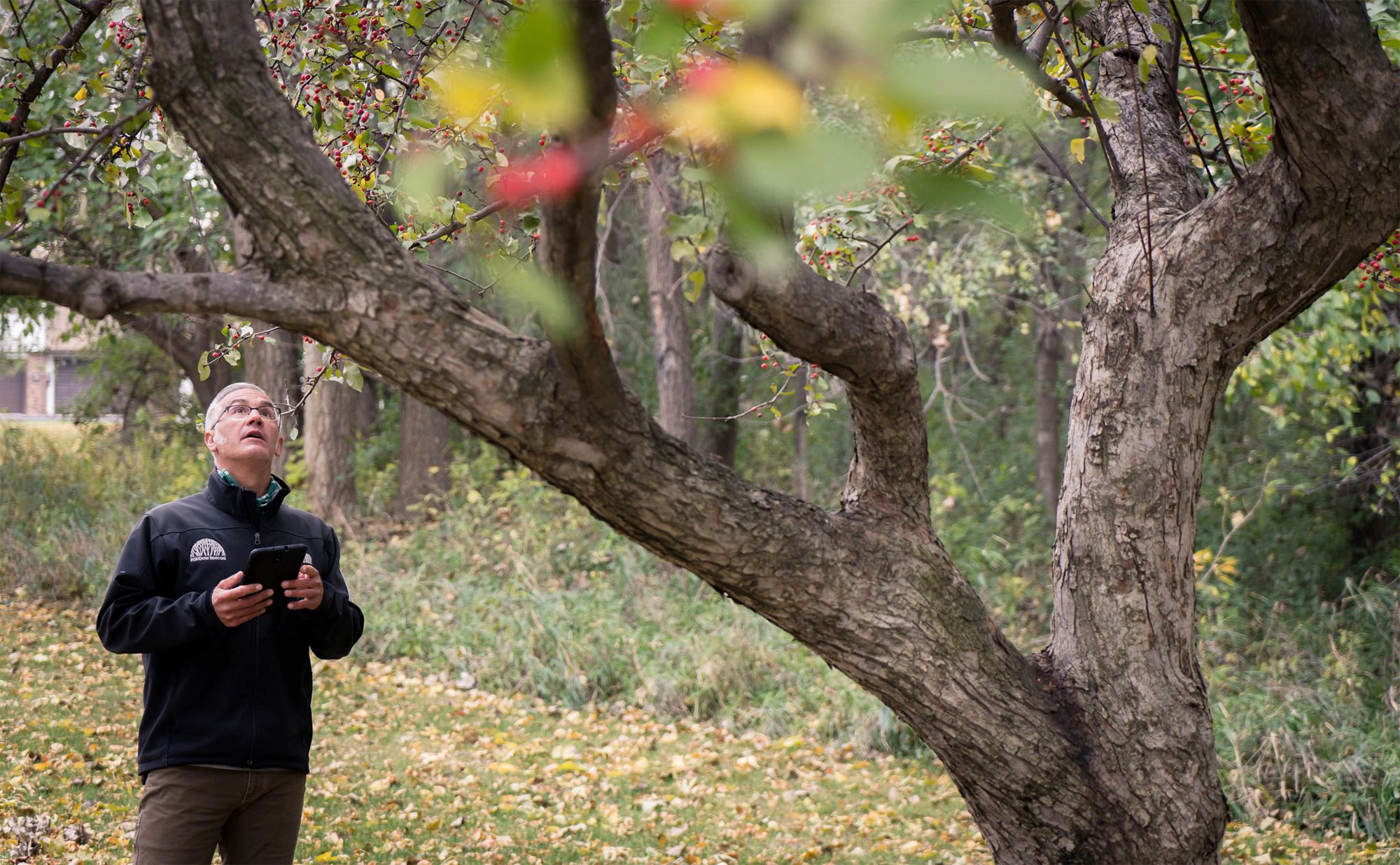
Start by looking at the whole tree. How much of the canopy is affected? Just a few branches, or over half of the canopy? Is the damage structural (splits, cracks, leaning), or just cosmetic (minor bark loss, small broken limbs)? Always check for immediate safety hazards, like hanging branches or trees that could fall. Informed assessment helps you decide whether you can address the issue yourself or if it’s time for expert help.

How to Save a Damaged Tree

How to Save a Damaged Tree

Minor Damage You Can Address

If the damage is minor, you may be able to clean up broken branches with proper pruning cuts. Remove debris carefully, water the tree deeply, and mulch around the base to reduce stress. Avoid piling mulch against the trunk, and monitor the tree’s progress throughout the season. Do not apply “wound paint” or put any sealing compound on the damaged area. Although garden centers often sell these products, research shows they do not prevent decay and may even speed it up. Leaving wounds open allows the tree to use its natural processes to heal more effectively.

Severe Damage and Professional Solutions

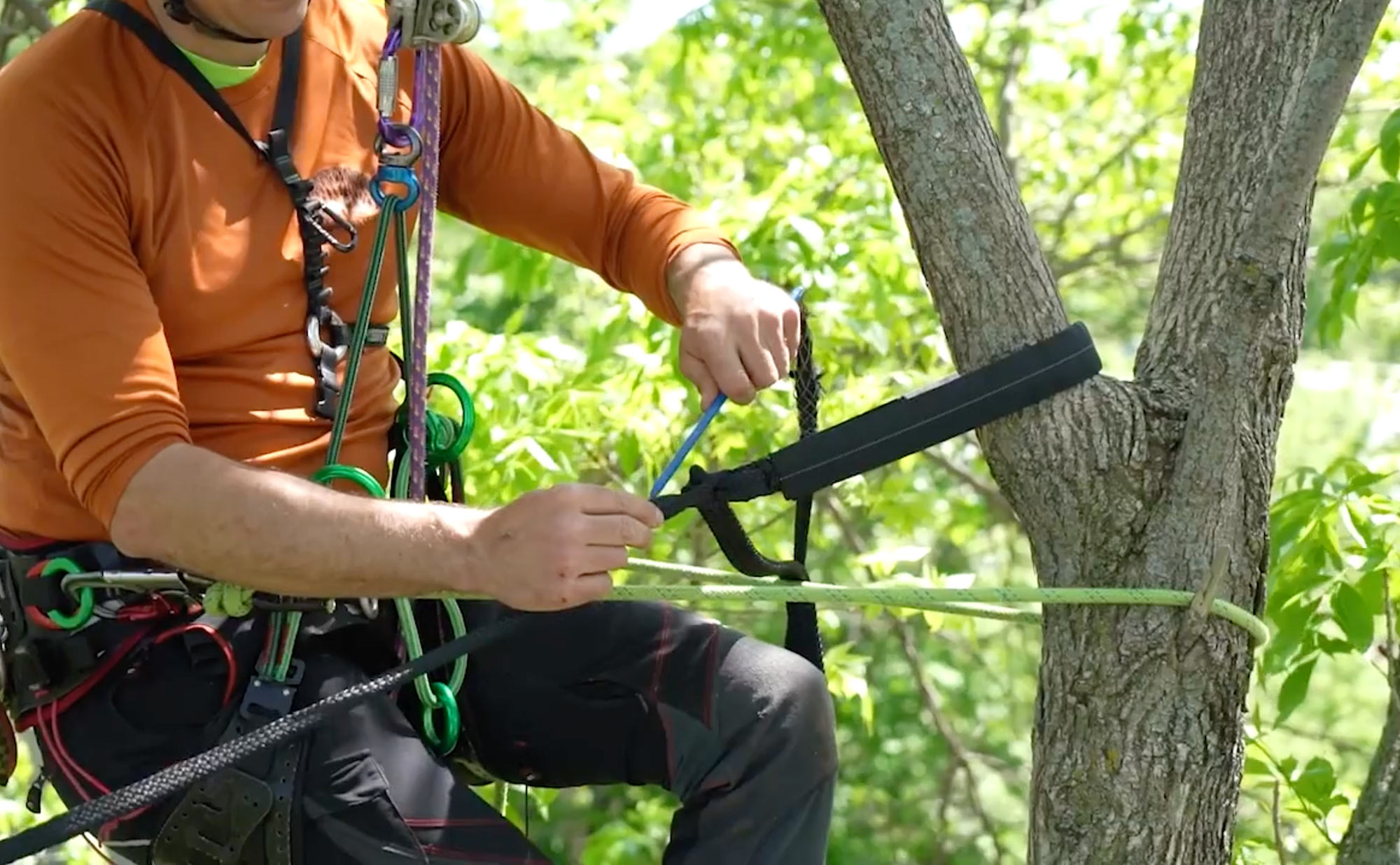
For major wounds, split trunks, or significant canopy loss, professional intervention may be needed. An arborist can perform cabling and bracing to support weak limbs, or use other preservation-first techniques to save the tree when possible.

Signs a Tree Needs to Be Removed

Signs a Tree Needs to Be Removed

Sometimes, removal is the safest and only option. Signs a tree needs to be removed include extensive decay, a severely cracked trunk, or roots that have lifted from the ground. Safety always comes first. Learn more about safe tree and stump removal.

When to Call a Professional Arborist

When to Call a Professional Arborist

If you’re unsure, it’s wise to schedule an arborist assessment. Our ISA Certified Arborists offer science-based advice and no-pressure consultations. Whether you want to save a valued tree or ensure your yard is safe, our experts are ready to help. Schedule an arborist assessment today.

Frequently Asked Questions About Tree Damage

Many damaged trees can recover with proper care—especially when the main structure is intact. Severe cases may need professional help.

If less than a third of the canopy is lost and the trunk and roots are healthy, many trees will survive.

A tree with large cracks, hanging branches, or a leaning trunk may be hazardous. Have it inspected quickly.

If you’re unsure about the extent of the damage, or if the tree is near structures or power lines, call an arborist.

Homeowners insurance sometimes covers tree damage—check your policy for details.

Not sure what to do with your damaged tree? Request a Consultation with our ISA Certified Arborists. We can assess the damage, help determine whether the tree can be saved, and recommend the best next steps for your property.

Other items you may be interested in:

We place cookies on your device to enhance site navigation, aid your browsing experience, analyze site usage, and serve you with relevant content. By clicking “Accept All”, you agree to our use of cookies for these purposes. For more information, review our Privacy Policy.