How Trees Prepare for Winter

November 5, 2025

As the chill of winter approaches, the trees in our urban forests undergo a remarkable physiological transformation. Delve into the intricate ways trees prepare for and endure the cold winter season, from the vibrant display of fall foliage to the subtle adaptations that ensure their survival, and learn how to best prepare your own trees for a successful season.

The Colors of Transition

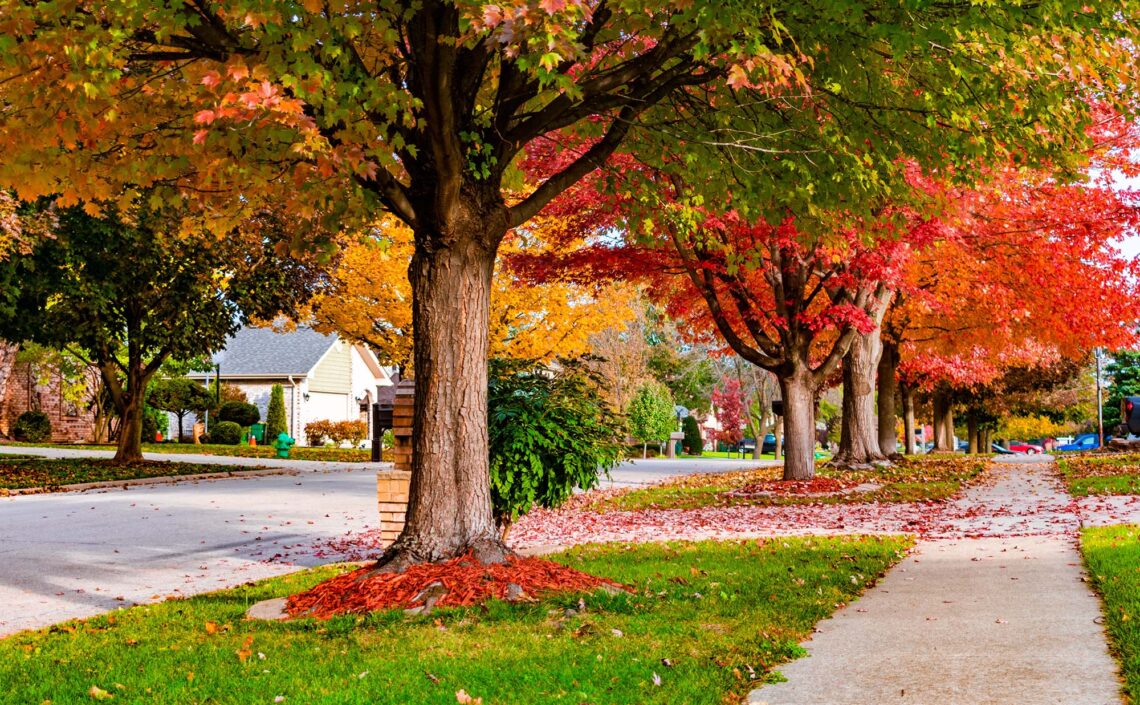
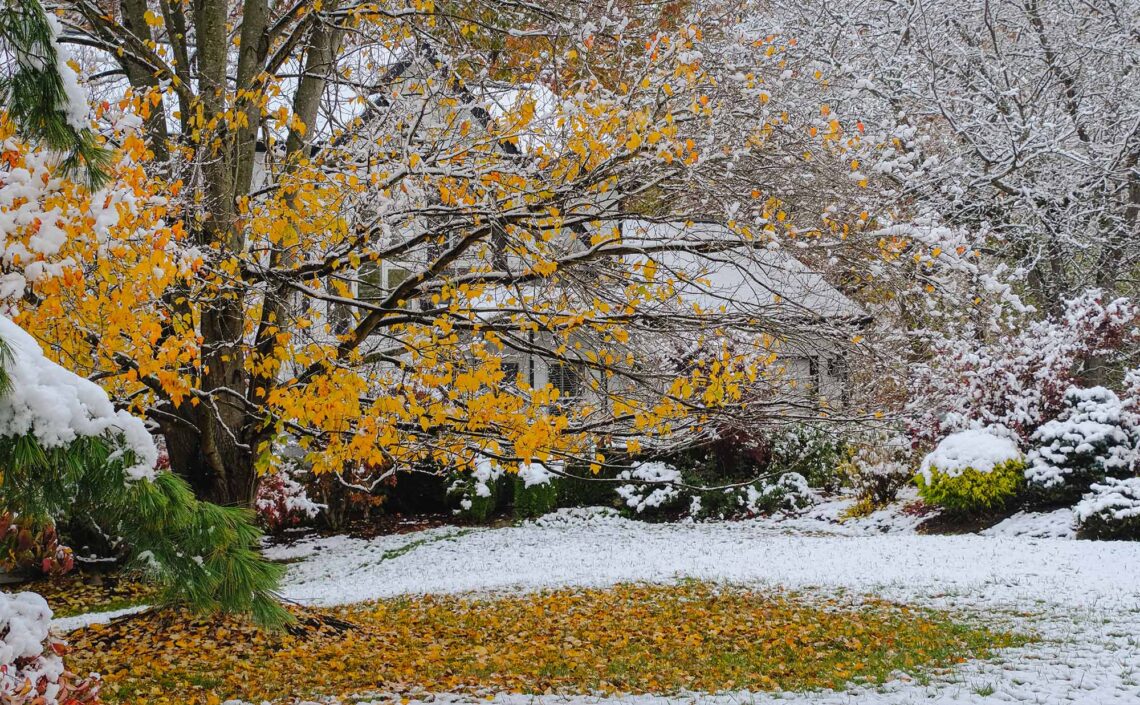
One of the most striking changes we observe is the autumn leaf display. The vibrant reds, oranges, and yellows of autumn are more than just a seasonal spectacle; they’re the result of a complex process triggered by shorter days and cooler temperatures. To learn more about the magic of the season, check out our Science of Fall Foliage blog.

Fall colors lining the streets
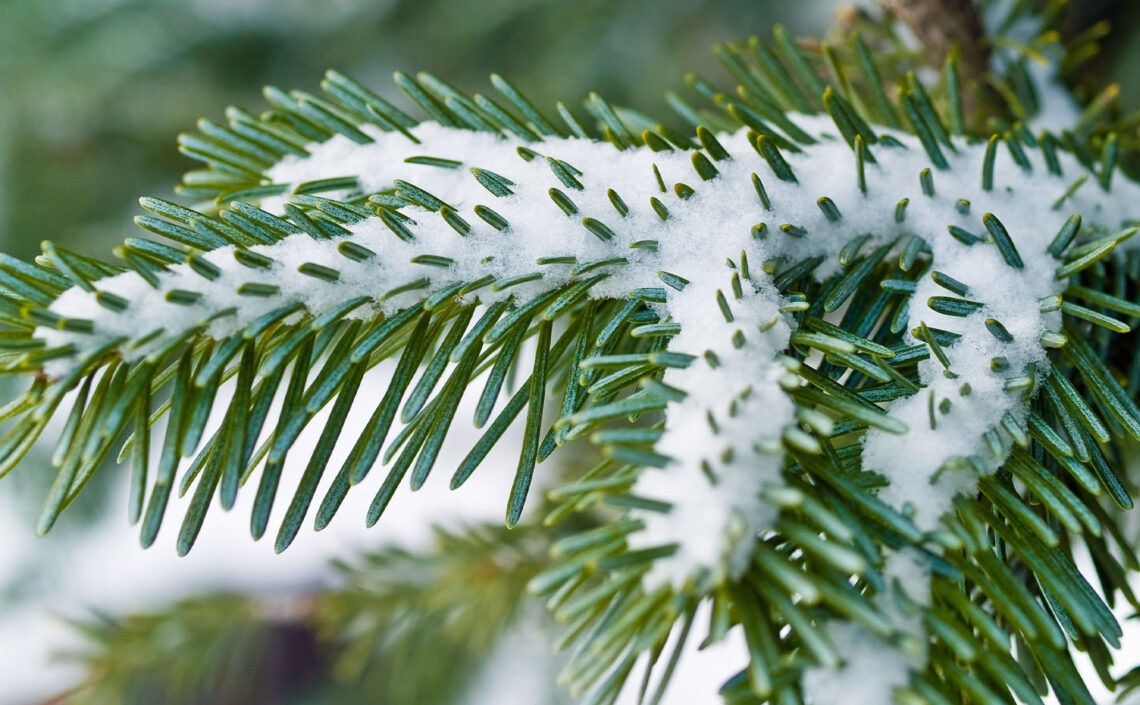
Snow on an evergreen leaf

Evergreens’ Winter Adaptations

While deciduous trees shed all their leaves, conifers, with their needle-like foliage, have already adapted to resist drought and freezing temperatures. They do, however, shed older needles each year, typically retaining foliage for 3 to 5 years.

Hardening Off:
Preparing for the Cold

Beyond foliage, trees prepare for winter by “hardening off.” The liquids within their cells increase in sugar and salt concentration, lowering their freezing point. This ability varies among plants, as explained in the USDA Hardiness Zone Map. The genetic origin of a tree also plays a crucial role; for example, Red Maples are native from Florida to Ontario, but transplanting one from the South to the North or vice versa would likely lead to its demise, as they have adapted over time to thrive in their native conditions.

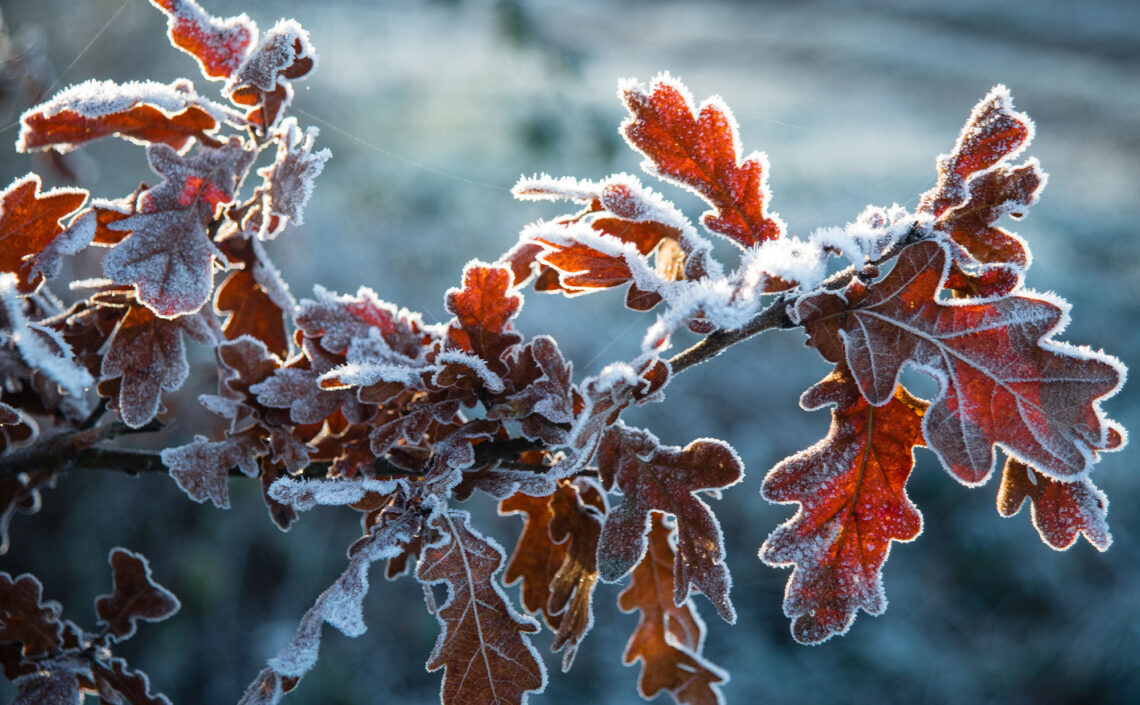
leaves frozen on the branches
snow on the lawn

Life in Dormancy

During winter, trees enter a state of quiescence, a “resting but ready” phase, where metabolic processes continue even at low temperatures. Evergreens, for instance, still respire, moving water from the soil through their stomata. “Winter burn” is a common issue for conifers when the sun heats the foliage, causing dehydration if liquid water isn’t available, especially in years with low snowfall, as snow insulates the soil. Roots are often warmer than the air and can continue to explore resources and grow, utilizing stored energy, even while the surface world remains frozen.

Essential Questions About Winter Tree Care

What are the best practices for winter tree care?

Winter can be tough on trees, so your best bet is to focus on protecting them from cold, wind, and wildlife. Mulch around the base to insulate roots, wrap young or thin-barked trees to prevent cracking, and gently brush off heavy snow rather than shake branches. Keeping trees healthy year-round makes them more resilient when temperatures drop.

Should you trim your trees in the winter?

Yes, winter is actually one of the best times to prune most trees. When trees are dormant, they’re less likely to experience stress or disease, and it’s easier to see the structure without leaves in the way. Avoid trimming your trees during extreme winter cold or right before a major freeze to give cuts a chance to seal properly.

How to Prepare Your Trees for Winter

Homeowners can help their trees prepare for winter with a few simple practices:
  • Watering: Continue to water trees, especially evergreens, on a weekly basis until the ground freezes.
  • Fertilization and Treatments: Fall is an ideal time for fertilization, providing nutrients for spring growth, and for applying plant healthcare treatments, such as insecticides or injectable nutrients.
  • Protection: Guard young trees from rodents by wrapping trunks with corrugated plastic tubing. Protect evergreen foliage from winter burns and deer browsing by wrapping them in burlap.
While winter can be tough for humans, trees are surprisingly resilient. Providing proper care during the growing season and in the fall and winter helps ensure trees are ready to thrive again when spring arrives.

If you have questions about your trees this winter,
we’re happy to help.

Other items you may be interested in:

We place cookies on your device to enhance site navigation, aid your browsing experience, analyze site usage, and serve you with relevant content. By clicking “Accept All”, you agree to our use of cookies for these purposes. For more information, review our Privacy Policy.