
How to Manage Water Wisely
Solutions for Sustainable Irrigation and Rainwater Collection
August 8, 2025
August in the Twin Cities brings a unique blend of warm days, occasional thunderstorms, and the subtle shift toward autumn. While lawns are still green and trees are in full leaf, this is a crucial time to consider how we use and conserve water in our landscapes. With increasing pressure on water resources and unpredictable rainfall patterns, sustainable irrigation and rainwater collection are more important than ever for maintaining healthy trees, vibrant lawns, and pest-resilient landscapes.
Why Water Management Matters in August
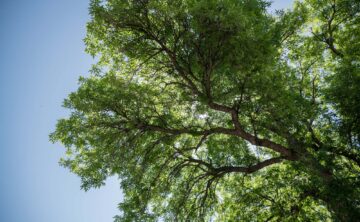
Trees: Deep Roots, Deep Watering
Trees are long-term investments in your landscape, and their watering needs differ from turfgrass. In August, focus on deep, infrequent watering to encourage strong root growth. A slow soak once a week is often sufficient for established trees, especially if rainfall is scarce.
Pro Tip: Use a soaker hose or drip irrigation around the base of the trunk to deliver water directly to the roots without waste. Applying 2–4 inches of organic mulch helps retain soil moisture and regulate temperature in the root zone—just be sure to keep mulch away from the trunk.
Lawns: Smarter Irrigation for Greener Grass
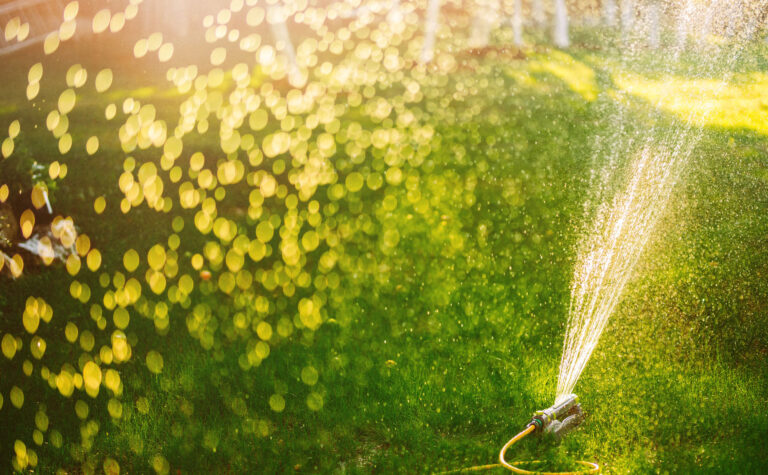
Cool-season grasses common in Minnesota, like Kentucky bluegrass and fine fescue, naturally slow their growth in the heat of August. Overwatering during this period can promote shallow roots and fungal diseases. Instead, water early in the morning, and aim for about 1 inch of water per week, including rainfall.
Consider upgrading to smart irrigation controllers that adjust watering schedules based on weather data. These systems can reduce water use by up to 30% while keeping your lawn healthy and green.
Pest Control: Water Wisely to Deter Invaders
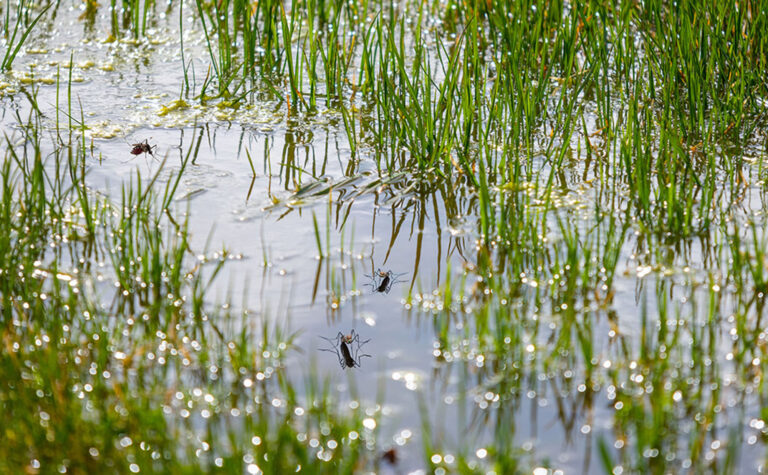
Dry, stressed plants are more vulnerable to pests. Proper watering helps maintain plant vigor, making them less attractive to insects like lace bugs, mites, and borers. However, overwatering can also create ideal conditions for fungal pathogens and mosquito breeding.
Integrated Pest Management (IPM) strategies work best when paired with smart watering. Monitor your landscape regularly and adjust irrigation to avoid creating overly damp environments that attract pests.
Rainwater Collection: A Sustainable Solution
Rain barrels and cisterns are excellent tools for capturing and reusing rainwater, especially during August storms. In the Twin Cities, a single 1,000-square-foot roof can collect over 600 gallons of water from just one inch of rain. That’s free, untreated water you can use for trees, shrubs, and flower beds.
Tips for Effective Rainwater Harvesting:
- Install rain barrels at downspouts with secure lids and mosquito-proof screens.
- Use collected water within a week to prevent stagnation.
- Consider linking multiple barrels or upgrading to a larger cistern for greater capacity.
- Only use rainwater on edible plants if it’s been properly filtered.
Looking Ahead: Preparing for Fall
Water is one of the most important resources for our landscapes. Trees and lawns that receive proper care in late summer are better equipped to handle the stresses of autumn pests, cooler temperatures, and winter dormancy. As our climate becomes more unpredictable, it is essential to water responsibly as we irrigate the plants to ensure that they remain healthy and that we don’t waste water. By adopting these strategies, you can maintain a healthy, resilient landscape while caring for your world.
Want your landscape to thrive through the changing seasons? Schedule a property consultation with our experts today.
Other items you may be interested in:
Five Tips to Keep Your Minnesota Trees Resilient in Minnesota’s Shifting Climate
Unlike trees in a forest, urban trees deal with a lot of stressors that compromise their health–starting with competition from turf grass for water and
Your Yard, the Ultimate Ecosystem
A balanced landscape doesn’t happen by accident. It’s the result of intentional care where trees, turf, and even pest management work together.
Caring for Your World
Rainbow understands that your property is more than just a collection of trees, lawns, and structures. It’s a living ecosystem uniquely connected to your life.