
EAB Treatment Fatigue:
Why You Can’t Afford to Stop Protecting Your Ash Trees
May 1, 2026
You’ve been treating your ash trees against emerald ash borer (EAB) for a few years now. And your trees look just fine, so maybe, you think, it’s safe to skip a treatment cycle. Sound familiar? If so, you’re experiencing EAB treatment fatigue, and you’re far from alone.
But here’s the hard truth: stopping treatment, even for just one cycle, can be a death sentence for your ash trees. Understanding how EAB treatments increase the lifetime value of your tree makes the commitment more manageable and allow you to keep your trees alive for decades to come.
What Is EAB and Why Is It So Relentless?
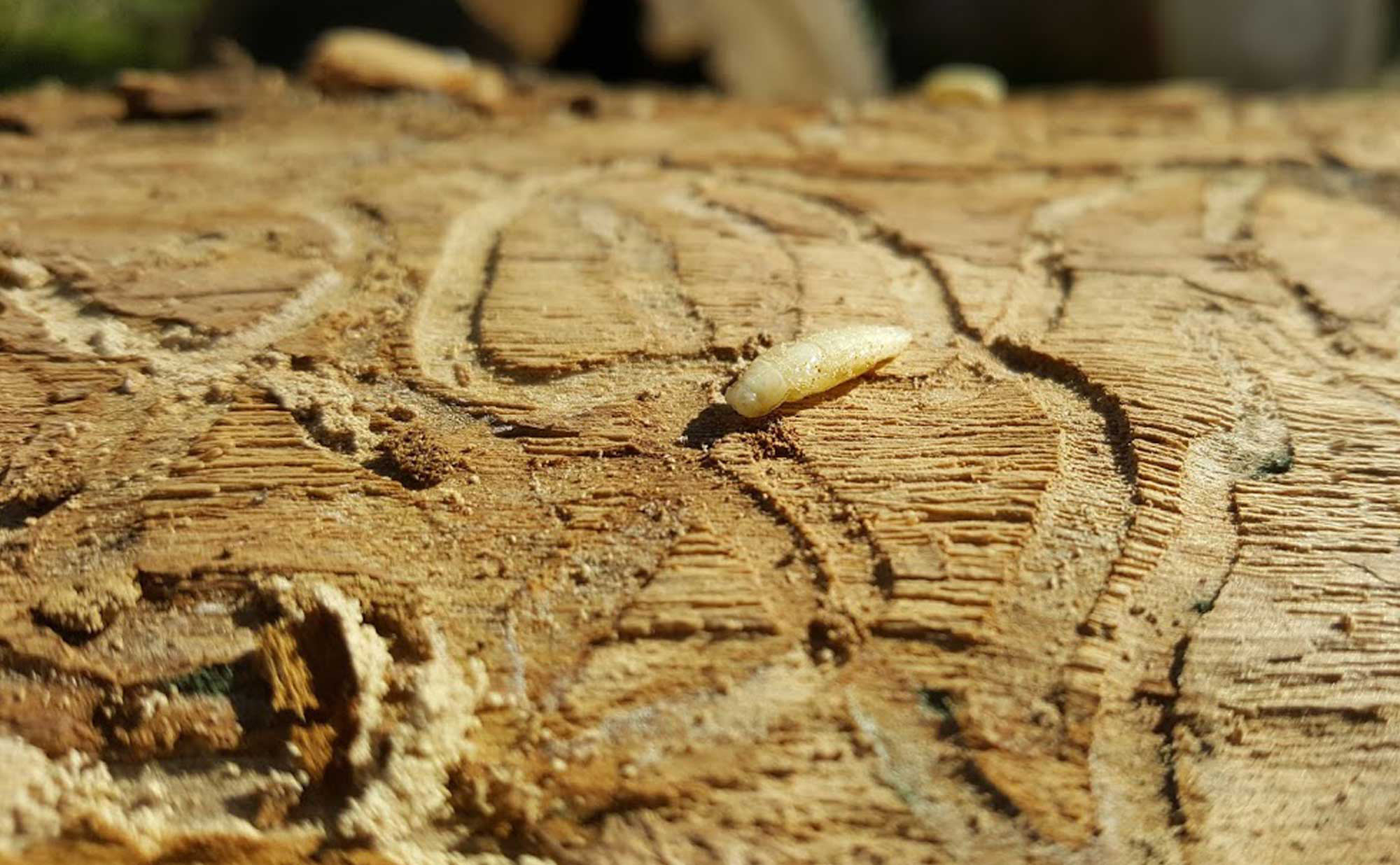
The emerald ash borer is an invasive, wood-boring beetle native to northeastern Asia, first discovered in the Twin Cities in 2009 by a Rainbow Treecare arborist. The damage caused to Minnesota communities is immense. Ash trees accounted for upwards of 60% of all trees in some areas at the time the infestation was discovered.
EAB has become a particularly insidious pest because our abundance of host trees has supported huge populations of insects. As untreated trees die, those huge populations move to voraciously attack any living unprotected ash tree.
What Is EAB Treatment Fatigue?
EAB treatment fatigue is the very human tendency to let your guard down after years of diligent insecticide applications, especially when your trees appear healthy. It happens to homeowners, municipalities, and land managers alike. The logic seems reasonable: the tree looks fine, the beetle hasn’t visibly struck, so why keep spending money year after year?
The answer lies in how EAB treatments work. Most insecticides registered for EAB require yearly applications to effectively protect a tree, for example, soil treatments with imidacloprid or basal bark treatments with dinotefuran. Products containing emamectin benzoate, when trunk-injected by a certified arborist, can provide 2 years of protection. But no currently available treatment is a one-and-done solution. Given current technology, an ash tree must be treated for the rest of its life to remain protected, because EAB pressure in the environment does not go away.
When you skip a treatment cycle, you are not just rolling the dice for one season; you are leaving your tree exposed during a window when EAB populations may be surging in your area.
The Real Cost of Stopping Treatment
It can be tempting to view annual or biennial treatment costs as an ongoing burden, but consider the alternative. Removing a small ash tree can cost several hundred dollars. Larger trees can range from $1,000 or $4,000 to remove, and individual site factors such as proximity to structures, power lines, or other hazards can significantly raise the price.
To make matters worse, ash trees become brittle and hazardous relatively quickly after EAB kills them, which can increase removal costs and pose serious safety risks. Removing a recently killed tree while it is still structurally sound is both safer and more cost-effective than waiting. But the best outcome of all? Never having to remove the tree in the first place.
Mature tree canopies provide tangible benefits to properties. Protecting mature trees protects those benefits at the lowest cost. In fact, a tree can generally be treated for about 20 years before the cumulative financial cost equals that of removing and replacing a healthy tree. When you frame it that way, consistent treatment is not an expense; it’s an investment that increases the lifetime value of your tree.
When Treatment Is (and Isn’t) Worth It
Not every ash tree is a good candidate for indefinite treatment, and recognizing this can help combat treatment fatigue. Focusing your resources on the trees that matter most makes the long-term commitment more sustainable. For trees that are worth saving, a certified arborist can help you develop a treatment plan that is both effective and as cost-efficient as possible.
How to Fight Treatment Fatigue
- Work with a trusted arborist.
- Think in decades, not seasons.
- Stay informed about EAB pressure in your area.
The Bottom Line
EAB is not going away. It has spread across the continent, and without continued protection, no ash tree is safe. Treatment fatigue is understandable – it is the natural result of a long, open-ended commitment in the face of a pest that seems invisible when your trees are healthy. But the moment you stop, the clock starts ticking.
If you have been treating your ash trees and are feeling the weight of that commitment, talk to Rainbow’s certified arborists. They can help you reassess your trees, optimize your treatment plan, and find the most efficient path forward. Your ash trees have made it this far because of your diligence. Don’t let fatigue be the reason they don’t make it another decade.
Ready to protect your ash trees for the long term? Contact a Rainbow certified arborist today for a personalized treatment plan and support to ensure your trees thrive for years to come.
Other items you may be interested in:
Why Tree Diversity Matters in the Twin Cities
The Twin Cities urban forest needs more than just trees; it needs diversity. This article explains why tree diversity is critical for protecting the local canopy from pests and for mitigating the impacts of climate change. Discover your role in fostering a healthier urban forest in your own neighborhood.
The Real Costs of Tree Care Services in Minnesota
How much does it cost to trim a tree, cut a tree down, or remove a stump? Learn more about the factors that affect tree service costs in Minnesota.
Why Hire an Expert for Ash Tree Removal
Before the emerald ash borer’s discovery in 2009 in St. Paul, Minnesota, approximately 20% of the urban canopy were ash trees. As this destructive pest
Finding the Right Ash Tree Replacement in Minnesota
Many people across Minnesota are losing their ash trees because of Emerald Ash Borer (EAB), an invasive species of beetle from Asia. EAB larvae feed on the