Climate Change and Our Changing Weather Patterns
Why It Matters for Property Care in the Twin Cities
November 11, 2025
As fall settles into the Twin Cities, we find ourselves in a familiar seasonal transition: bare trees, dormant lawns, and the quiet anticipation of winter. But beneath this rhythm lies a growing concern. Climate change is reshaping our weather patterns, and with it, the way we care for our properties.
In recent years, Minnesota has seen warmer autumns, later frosts, and erratic precipitation. These shifts may seem subtle, but they carry significant implications for tree health, lawn resilience, and pest activity. For property owners, adapting to these changes isn’t just smart; it’s essential.
Trees: Stress and Susceptibility
Our urban canopy is feeling the pressure. Warmer falls delay dormancy, leaving trees vulnerable to sudden cold snaps. This can cause dieback in species like maples and oaks, which are common throughout Minneapolis and St. Paul neighborhoods. Additionally, fluctuating moisture levels, with drought followed by heavy rain, stress root systems, and increase susceptibility to fungal diseases and invasive pests.
Proactive care is key. Even outside the growing season, regular monitoring and maintenance set your trees up for success. Deep root fertilization, structural pruning, and professional inspections help trees recover from past stress and prepare for what’s ahead. As climate change expands pest activity, ongoing attention makes all the difference.
Lawns: Dormancy Disrupted
Minnesota lawns are facing new challenges as seasonal patterns shift. Warmer soil temperatures lasting later into the year can delay dormancy, leaving turf more vulnerable to winter stress and weed competition.
Though the lawn season has ended, planning for next year’s aeration and fertilization will help strengthen roots and build more resilient turf. Keeping lawns clear of leaves now also sets the stage for a healthier spring.
Pests: Expanding Seasons and Territories
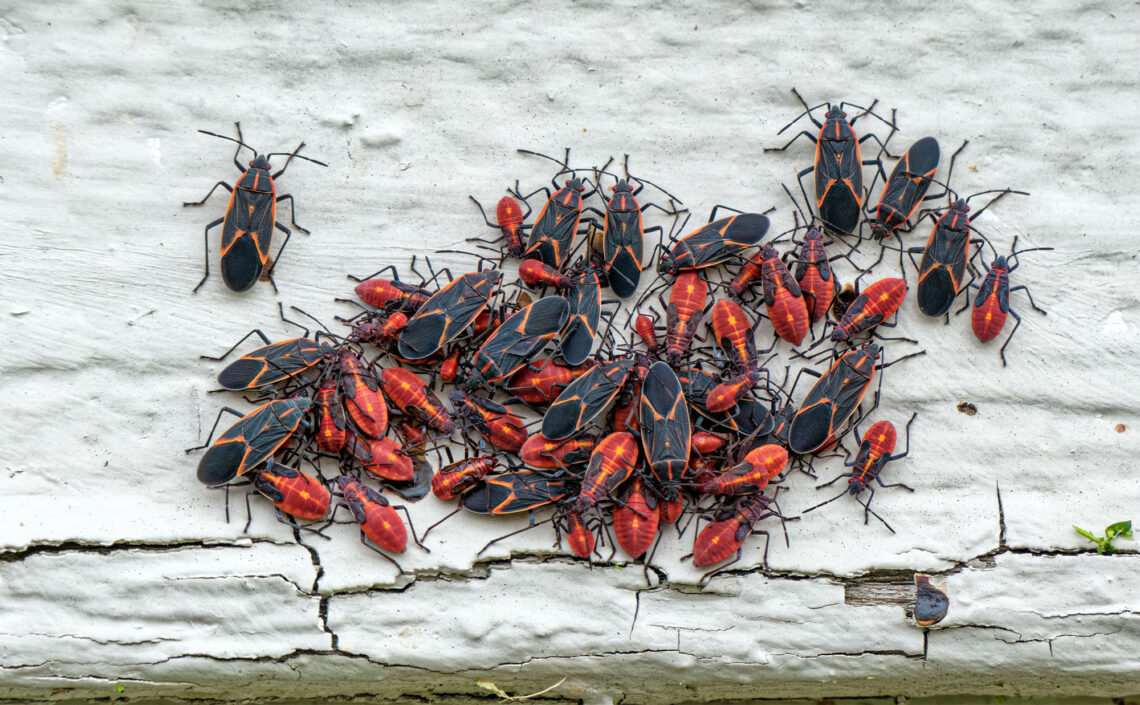
Perhaps the most noticeable impact of climate change is the extended activity of pests. Warmer temperatures mean longer breeding seasons for ticks, mosquitoes, and rodents. In the Twin Cities, we’re seeing increased reports of vole damage in lawns and overwintering insects like boxelder bugs and Asian lady beetles seeking shelter in homes.
Integrated pest management (IPM) strategies are evolving to meet these challenges. Sealing entry points, reducing habitat near foundations, and applying targeted treatments can help keep pests at bay.
Looking Ahead
Climate change isn’t a distant threat; it’s a present reality shaping our landscapes. By understanding how shifting weather patterns affect trees, lawns, and pests, Twin Cities property owners can make informed decisions that protect their investments and support a healthier urban ecosystem.
Whether you’re planning for next season or managing year-round care, our experts are here to help. Schedule your next service today.
Other items you may be interested in:
Understanding the Urban Ecosystem
Pest Management Through an Ecological Lens in the Twin Cities
Caring for Your World
Rainbow understands that your property is more than just a collection of trees, lawns, and structures. It’s a living ecosystem uniquely connected to your life.
Five Tips to Keep Your Minnesota Trees Resilient in Minnesota’s Shifting Climate
Unlike trees in a forest, urban trees deal with a lot of stressors that compromise their health–starting with competition from turf grass for water and