How to Choose the Best Tree Care Service Pros

January 5, 2026

Choosing the right tree care provider is a critical decision for any homeowner. Trees are valuable assets to your property and the environment, enhancing curb appeal, providing shade, and contributing to local ecosystems. However, an improperly cared-for tree can become a hazard, an eyesore, and a financial burden. This guide will walk you through the essential steps to ensure you select a qualified, reputable, and reliable arborist or tree care company.

Why Professional Tree Care Matters

While some minor tree maintenance can be a DIY project, many tasks, especially those involving height, heavy equipment, or the diagnosis of complex issues, are best left to professionals. Here’s why:

Safety

Tree work can be dangerous. Professionals have the training, experience, and specialized equipment to perform tasks safely, minimizing the risk of injury to themselves, homeowners, or property damage.

Tree Health

Improper pruning techniques or misdiagnosis of tree problems can cause irreparable damage or even kill a tree. Arborists are trained in best practices that promote long-term tree health and vitality.

Property Value

Healthy, well-maintained trees significantly increase property value and enhance the aesthetic appeal of your landscape.

Liability

If an uninsured worker is injured on your property, or if damage occurs to your or a neighbor’s property during tree work, you could be held financially responsible. Hiring an insured company protects you from these liabilities.
How to Select the Perfect Tree Care Service Provider

Choosing a Tree Care Provider: What to Look For

Navigating the options for tree care services can be daunting. Here are key qualifications and characteristics of tree care pros to seek out:

Certification and Credentials

The terms “arborist” and “tree surgeon” are not always regulated, so anyone can claim them. To ensure you’re hiring a true expert, look for specific certifications:
  • ISA Certified Arborist®: The industry-standard certification from the International Society of Arboriculture (ISA). To achieve this, individuals must pass a comprehensive exam covering all aspects of tree care and have a minimum of three years of experience in tree care or a relevant college degree.
  • ISA Board Certified Master Arborist (BCMA): The highest level of certification offered by the ISA, indicating extensive knowledge and experience.
  • American Society of Consulting Arborists (ASCA): Members typically have at least 5 years of arboricultural experience and meet specific educational requirements. Consulting arborists specialize in diagnosing complex tree and shrub issues.
  • Tree Care Industry Association (TCIA): TCIA membership demonstrates a commitment to professional standards and best practices. TCIA members are typically commercial tree care businesses that carry general liability and workers’ compensation insurance.
  • Rainbow is honored to have been a TCIA-accredited company since the distinction was established.
  • Local Licensing: Many cities and municipalities require tree care companies to be licensed to perform work within their limits. This often includes employing ISA Certified Arborists and registering with the community. Check with your city hall for local requirements.
  • Minnesota Certified Tree Inspectors: In Minnesota, these individuals are certified by the Department of Natural Resources (DNR) and are skilled at inspecting trees for common diseases and pests.

Insurance

This is not negotiable. Always request proof of general liability insurance and workers compensation insurance.

Experience and Local Reputation

  • Longevity in Business: A company that has been in business for at least 10 years is often a strong indicator of reliability and sustained quality. Be wary of “pop-up” businesses that appear after storms or disasters.
  • Online Reviews: Check platforms such as Google Reviews, Yelp, and the Better Business Bureau (BBB) for customer feedback. Look for consistent positive reviews and the company’s response to complaints.
  • Professional Affiliations: Membership in organizations such as the ISA, ASCA, or TCIA demonstrates a commitment to ongoing education and adherence to industry best practices.

Equipment and Safety Practices

A professional tree care company will:
  • Utilize Appropriate Equipment: They should have a range of well-maintained, OSHA-certified equipment suitable for various jobs, from pruning shears to chippers and cranes. They shouldn’t need to subcontract basic equipment.
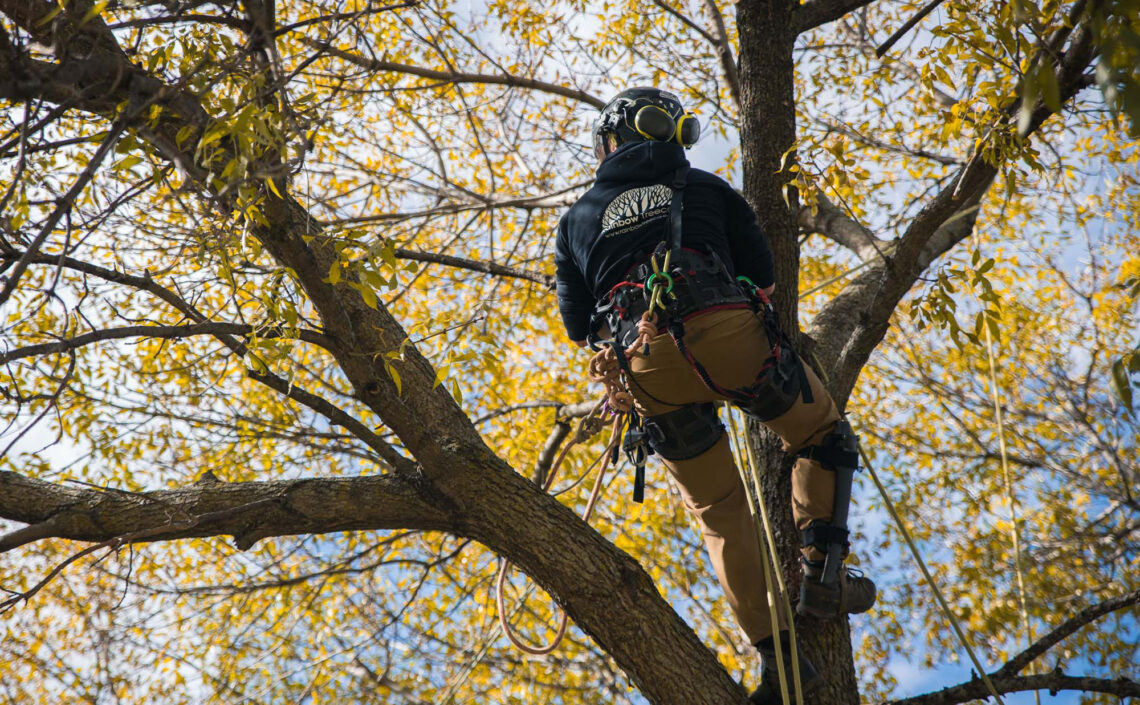
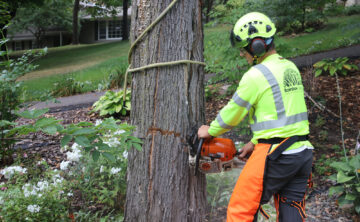
  • Prioritize Safety: Workers should always wear personal protective equipment (PPE) such as hard hats, safety glasses, hearing protection, gloves, and high-visibility vests.
  • Avoid Damaging Practices: A reputable arborist will never recommend “tree topping” (the indiscriminate cutting of tree branches to stubs) or “lion-tailing” (removing most of the inner and lower branches, leaving tufts of foliage at the ends of branches). These practices are harmful and can severely damage or kill a tree. Climbing spikes should be used only when a tree is removed, as they create wounds that can lead to disease.
  • Protect Your Property: They should explain the precautions they will take to minimize damage to your lawn, landscaping, and structures, such as using plywood to protect grass from heavy equipment.
How to Select the Perfect Tree Care Service Provider

Hiring an Arborist: Step-by-Step

Do Your Homework

Start by gathering recommendations from neighbors, friends, or business associates. Use online resources such as the ISA and TCIA “Find an arborist” tools, and check the Better Business Bureau.

Get Multiple Estimates

It’s highly recommended to get at least three written estimates from different companies. This will provide a baseline for pricing and enable you to compare services. Don’t immediately go with the lowest bid, as it could indicate corners are being cut on insurance, certification, or quality of work.

Ask the Right Questions During Consultations

When meeting with potential arborists, be prepared to ask:
  • How long have you been in business?
  • Are your arborists certified, and are they paid staff or subcontractors?
  • Can you provide proof of liability and workers’ compensation insurance?
  • What equipment will you be using, and how do you minimize damage to my yard?
  • Will the work be performed according to industry standards (e.g., ANSI Standards)?
  • Is cleanup included in the estimate? How will debris be disposed of? Do you handle necessary permits or licensing?

Red Flags for Tree Care Service Pros

  • Door-to-Door Salesmen: Be very cautious of contractors who solicit work door-to-door, especially after storms. Many are disreputable and may not be insured or qualified.
  • Prices that are “too good to be true”: Compare estimates and be suspicious of significant outliers.
  • Pressure to sign immediately for a discount: A reputable company won’t rush you into a decision.
  • Request for complete payment upfront: This is a major red flag.
  • Lack of transparency: If a company is hesitant to provide proof of insurance or licenses, look elsewhere.

By following these guidelines, you can make an informed decision and choose a professional tree care service provider who will ensure the health, safety, and beauty of your trees for years to come.

Is Hiring an Arborist Worth It?

Your trees are a valuable investment. Protect them by choosing wisely.
How to Select the Perfect Tree Care Service Provider

Work with ISA-Certified Arborists You Can Trust

Our team has been caring for Minnesota’s trees for over 45 years.

Other items you may be interested in:

Wildflowers in a garden with a butterfly

Caring for Your World

Rainbow understands that your property is more than just a collection of trees, lawns, and structures. It’s a living ecosystem uniquely connected to your life.

Read More »

We place cookies on your device to enhance site navigation, aid your browsing experience, analyze site usage, and serve you with relevant content. By clicking “Accept All”, you agree to our use of cookies for these purposes. For more information, review our Privacy Policy.