
Tree Trimming and Pruning in Minnesota
Rainbow Treecare is the Twin Cities’ premier provider of tree pruning services. We offer tree pruning (trimming) services to help your trees develop and maintain their proper structure. Regular pruning is an essential maintenance practice for trees of all sizes to encourage proper growth and prevent decay and disease by removing dead wood, which serves as a food source for fungi.
Pruning young trees is especially important for species such as the Autumn Blaze maples and Littleleaf lindens, commonly planted in Minnesota, as they are prone to poor structure if not properly maintained. Pruning is one of the most important services for trees of all ages and is recommended every two to five years. Contact us today for your free pruning estimate!
What can you expect from our tree trimming and pruning services?
One of our ISA Certified Arborists will evaluate your trees to determine which type of tree pruning (tree trimming) service is needed and why. Our Twin Cities-based pruning services are customized to your tree and property needs and local growing conditions. We will examine your tree’s age, size, location, and structure to develop a comprehensive pruning proposal. We will provide you with an estimate that includes a description of the type of work to be done and itemized costs.
Tree pruning is good for your trees!
- Provide proper structure for the long-term growth of a young tree
- Remove dead branches to prevent them from causing damage or injury
- Provide the clearance necessary from homes, buildings, and power lines
- Remove hazardous branches to increase safety for you and your neighbors
- Help young trees develop an aesthetically pleasing form and strong structure
Why choose the experts from Rainbow Treecare?
We are among Minnesota’s leading licensed and insured tree pruning experts. With over 45 ISA Certified Arborists on staff, our team is highly skilled in assessing and performing pruning that will enhance the health and longevity of your trees. Pruning is permanent and cannot be undone, so choosing a qualified expert is especially important for this service. Improper pruning may weaken a tree, shorten its life, or reduce its aesthetic value. Additionally, one of our core values is safety. You can rest easy knowing our team will perform all services while taking every precaution to keep our staff, bystanders, and your property safe.
Additional frequently asked questions about tree pruning
If you are gathering more than one pruning estimate, you will find they can vary quite a bit. When comparing tree pruning estimates, it is essential to request consistent specifications, such as the size and class of deadwood to be removed. Lastly, we also recommend evaluating considerations such as the type of equipment to be used and the company’s safety standards. Read our blog about How to Be an Informed Pruning Customer.
The best time to prune most Minnesota trees is during the dormant season, usually late October through March. Pruning during the dormant season reduces stress, makes the branch structure easier to see, and lowers the risk of spreading disease. Timing matters most for oaks and elms, which should only be pruned in dormant months to help prevent oak wilt and Dutch elm disease. Many trees and shrubs that flower in spring are better pruned right before blooming, and dead or hazardous branches should be removed any time of year. Given most trimming is best done during the winter months, fall is the perfect time to request a free estimate and get on our schedule.
Trimming trees in early fall is generally not advised, but late fall is usually fine and won’t harm your trees if done correctly. Many wood decay fungi release spores in the fall, raising the risk of infection. Once leaves have dropped and your trees are dormant, usually by late October or early November in the Twin Cities area, conditions for pruning improve.
Young trees require regular formative pruning as a maintenance practice to help develop strong branches and tree trunks. Formative pruning also minimizes costly corrective pruning once trees mature. This helps them live longer and look better. Fast-growing tree species (such as Autumn Blaze Maple, Silver Maple, Elm, and Cottonwood) are prone to developing a weak structure without formative pruning and may require pruning as often as every 1-3 years.
The objectives of pruning shrubs are to maintain the desired size and appearance (natural or formal), maximize flowering potential, and promote the ability to regenerate naturally. Shearing a shrub with a trimmer to a uniform size can cause it to die prematurely. Shrubs display their best characteristics when selectively pruned regularly and correctly.
The cost for tree trimming varies on the size, species, condition, and location of each tree you want pruned, along with the type of pruning that’s needed. Oversized trees, trees near homes and power lines, and trees that require climbing or specialized equipment will cost more to trim. The number of trees and how easily an arborist can reach them also impacts pricing. Regular maintenance will help reduce long-term costs, since formative pruning on young trees will diminish the need for more corrective, expensive pruning later. Our ISA Certified Arborists offer free pruning estimates.
Schedule your pruning service today!
Contact Rainbow
The Love for Your World: Cultivating Connection and Care
Discover one of the core values driving Rainbow’s commitment to your property: Love. Learn how this passion translates into holistic, science-backed care for your trees, lawn, and home, ensuring your world is safe, thriving, and beautiful for both your family and the local ecosystem.
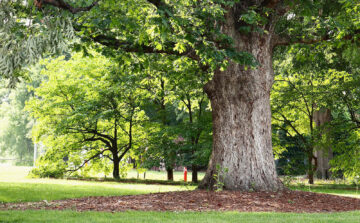
The Benefits of Mature Trees
Discover why mature trees are more than just a pretty backdrop; they’re essential to a healthy, vibrant community. Dive in and see just how much your trees are already doing for you!
Caring for Your World: The Power of Teamwork
At Rainbow, we believe that the best results come from working together, not just as individuals, but as a unified team accountable for every outcome.
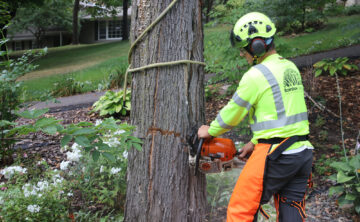
Why Hire an Expert for Ash Tree Removal
Before the emerald ash borer’s discovery in 2009 in St. Paul, Minnesota, approximately 20% of the urban canopy were ash trees. As this destructive pest