Legacy Landscapes:

The Art of Preservation and Conservation

May 15, 2026

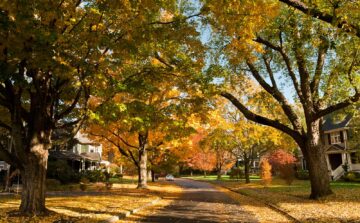
Minnesota’s landscapes are time capsules, living records etched by glaciers, nurtured by Native American stewardship, changed by European settlers, and transformed through waves of industry and innovation. Each field, forest, and shoreline carries layered stories, visible in ancient trees, stone walls, and the subtle rise and fall of the land.

Preservation vs. Conservation

Preservation vs. Conservation

As we walk these landscapes today, a vital question emerges: How do we honor the past while ensuring these places thrive for generations to come? The answer lies at the heart of two powerful, but often confused, approaches: preservation and conservation.

Preservation means holding a landscape steady, striving to keep it as it is. Conservation, on the other hand, is dynamic: it’s about careful management that allows nature to adapt and regenerate while maintaining its essential character. Both are crucial tools but knowing which to use and when can shape the future of Minnesota’s legacy lands.

Understanding the Layers of History

Understanding the Layers of History

Minnesota’s landscapes have evolved through distinct eras. For thousands of years, Native American communities (especially the Dakota, whose homeland is Bdote, the confluence of the Mississippi and Minnesota Rivers) have managed the land with deep ecological knowledge. Practices such as prescribed fire, selective harvest, and careful stewardship enhanced biodiversity and sustained the land’s health. European settlers brought new crops and land uses, fragmenting prairies and forests. Industrialists built grand estates and altered waterways, leaving both scars and legacies that persist to this day.

Reading a landscape means looking for clues: the pattern of oak savannas, the presence of non-native plants, the health of soil and water. These signs tell the story of human impact, as well as nature’s remarkable ability to heal, given time and care.

Soil and Trees: The Hidden Connection

Soil and Trees: The Hidden Connection

Healthy soil teems with life, from microbes to earthworms. Its structure and composition shape everything above: robust trees, vibrant understory plants, and thriving wildlife. When soil is neglected—compacted, eroded, or depleted—entire ecosystems unravel. By contrast, restoring soil health can jumpstart regeneration, benefiting both people and nature.

Trees are living witnesses. Their rings record droughts, floods, and fire. Their health signals the condition of land and air. Caring for trees, especially mature ones, is an investment in the future and a way to preserve history while supporting ongoing growth.

Smart Land Planning for Legacy Properties

Smart Land Planning for Legacy Properties

Whether you’re stewarding a family farm, a historic estate, or a beloved woodland, the goal is the same: balance respect for what came before with a vision for what’s possible. That means:
  • Assessing the land’s unique history and ecology
  • Prioritizing soil and tree health
  • Choosing when to preserve and when to conserve
  • Engaging local expertise and community resources
Minnesota’s landscapes have endured centuries of change. With thoughtful action, we can ensure they remain vibrant, resilient, and meaningful living legacies for all who follow.

At Rainbow Treecare, our mission is rooted in honoring this legacy. We help property owners understand the living history in their landscapes, prioritize soil and tree health, and make informed choices about preservation and conservation. Whether you’re caring for a single cherished tree or stewarding a generational property, our team is ready to support your vision for a thriving landscape.

Other items you may be interested in:

Why Tree Diversity Matters in the Twin Cities

Why Tree Diversity Matters in the Twin Cities

The Twin Cities urban forest needs more than just trees; it needs diversity. This article explains why tree diversity is critical for protecting the local canopy from pests and for mitigating the impacts of climate change. Discover your role in fostering a healthier urban forest in your own neighborhood.
Read More »
Dead Wood, New Life: The Wayzata Wildlife Snag Project

Dead Wood, New Life: The Wayzata Wildlife Snag Project

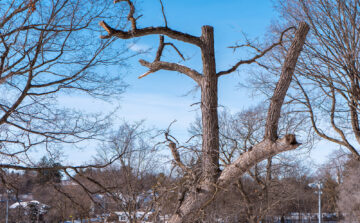
Discover how the City of Wayzata turned a dying oak tree into a thriving ecological hotspot! Learn about the innovative “Wildlife Snag” project. Find out why removing a tree isn’t always the best solution and how you can apply this cost-effective, biodiversity boosting practice in your own yard.
Read More »

We place cookies on your device to enhance site navigation, aid your browsing experience, analyze site usage, and serve you with relevant content. By clicking “Accept All”, you agree to our use of cookies for these purposes. For more information, review our Privacy Policy.