

Spring Property Care Checklist:
Integrated Tree, Lawn, and Pest Control
March 26, 2026
Spring is more than just a season—it’s the best time for proactive prevention against the damage caused by a harsh Minnesota winter. Simply put, acting now saves you money and headaches later.
Most homeowners’ tackle spring cleanup piecemeal, focusing only on the lawn, the trees, or pest issues in isolation. This reactive approach misses the interconnectedness of your property’s health. That’s why we champion a “whole-property approach.” By viewing your trees, lawn, and pest management as an interconnected ecosystem, you can achieve true, lasting vitality and resilience.
Required Spring Tree Care
Your trees are the foundation of your landscape, and winter can leave them structurally compromised and nutritionally depleted. Our certified arborists combine their expertise with premium service to ensure your trees stand tall and healthy. This dedicated care is also the first step toward protecting your trees from destructive pests like the Emerald Ash Borer and wood-boring insects, resulting in a more resilient, vibrant yard overall.
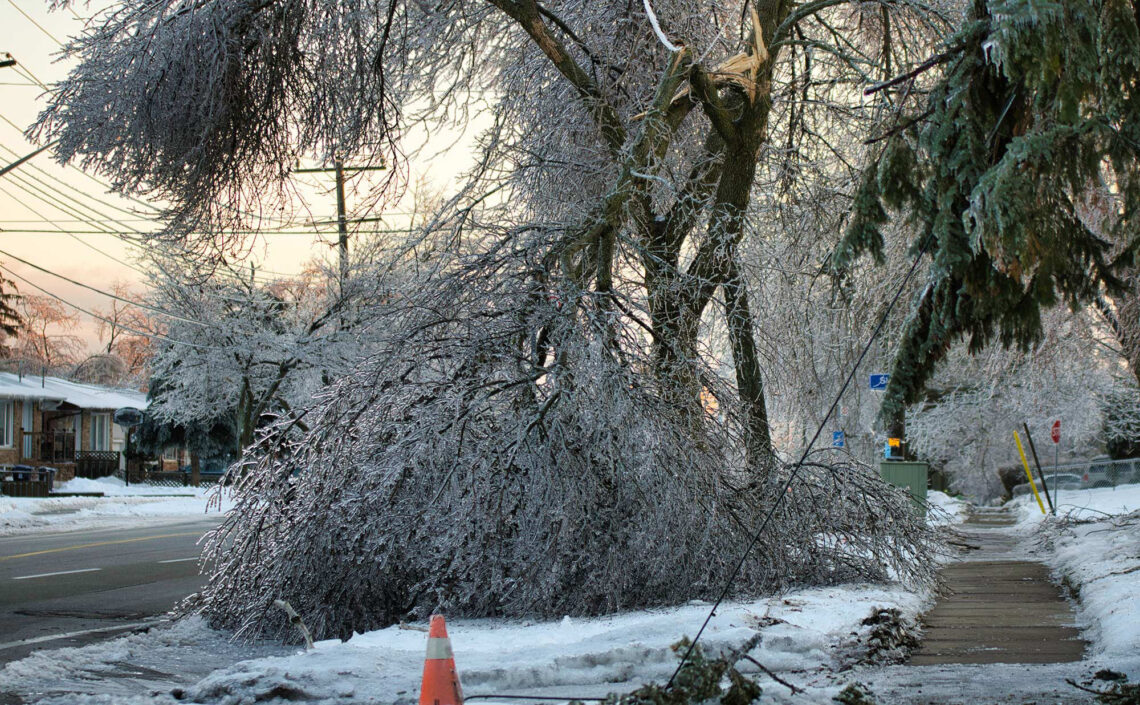
Inspect for Winter Damage and Structural Risk
Schedule Tree Trimming and Pruning Early
While trimming and pruning before leaf emergence offers ideal visibility and minimal stress on the tree, quality tree care delivers real benefits throughout the growing season. Strategic trimming and pruning improve the tree’s structure, ensure safety, and boost overall health whenever it’s completed.
Tree Fertilization Needs
Just like your lawn, your trees need nutrients to recover from winter and prepare for the growing season. Our arborists can evaluate all factors that impact your trees’ health and make tree fertilization recommendations for your trees and shrubs based on their species and growing environment.
Watch for Early Signs of Emerald Ash Borer
The Emerald Ash Borer (EAB) remains a grave threat to Minnesota’s ash trees. Spring is when adult beetles emerge, making it a critical time for monitoring. Early intervention is key to saving an infested ash tree. Look for D-shaped exit holes, S-shaped tunnels under the bark, and canopy thinning. You may also notice blonding from woodpecker activity.
How Quality Tree Care Helps Lawns and Controls Pests
- Overgrown canopies can lead to thin lawns, struggling grass, and increased fungal conditions.
- Weak trees are more vulnerable to wood-boring insects and opportunistic pests.
- Untrimmed branches can become a squirrel highway, allowing rodents easy access to your attic or eaves.
Required Spring Lawn Care
A healthy lawn is the first line of defense for your entire property. It provides structural support to tree root systems and reduces the habitat available for common pests. Proper spring lawn care is essential for long-term property health.
Clear Debris and Assess Turf Health
As the snow melts, lightly rake away leftover leaves, matted grass, and winter debris. This is when you can assess the extent of winter damage, like snow mold or “winter kill.” Patches of dead or damaged grass leave the soil exposed and vulnerable.
Apply Spring Lawn Fertilization Strategically
A strategic lawn fertilization program provides the nutrients needed for deep root growth and strong, healthy grass blades. Proper application prevents runoff and ensures a balanced soil ecosystem.
Identify and Treat Early Grub Activity
Grubs—the larvae of beetles—feed on grass roots and can destroy large patches of turf quickly. Spring is a prime time to identify and treat them before they become a major problem. Grub damage is often evidenced by spongy turf or small patches of dead grass.
Restore Thin or Shaded Areas
If your grass consistently struggles in certain spots, spring is the time to restore it. This might involve overseeding, soil amendment, or addressing the underlying cause—often excessive shade.
How Quality Lawn Care Helps Trees and Controls Pests
- Weak turf exposes soil and sensitive tree roots to temperature extremes and compaction.
- Grub damage invites disruptive wildlife (raccoons, skunks) that tear up the turf and potentially damage tree roots.
- Persistent thin grass may indicate canopy density issues (a tree problem) or poor soil health (a shared problem).
Required Spring Pest Control
As temperatures rise, pests—from rodents to insects—become more active. Spring pest activity is directly connected to the health of your trees and lawns, as weak spots in the landscape serve as entry points or prime habitat.
Eliminate Standing Water and Habitat Zones
Pests like mosquitoes thrive in standing water, and rodents love damp, protected areas under debris. Spring home maintenance should include clearing yard waste, trimming thick brush near the foundation, and ensuring proper drainage. To eliminate standing water, clear your window wells of debris, attach downspouts to properly divert water, and clean your gutters, as they can become major breeding sites for mosquitoes, flies, and other pests.
Inspect for Vole Activity
Voles (field mice) can cause significant damage over winter, tunneling under the snow and feeding on grass roots and the bark at the base of young trees. Inspecting for vole “runways” in early spring grass is crucial.
Address Squirrel Activity in Trees
Squirrels are not only nuisances; they can lead to costly attic damage. Spring is a good time to assess their primary pathways and nesting areas.
How Quality Pest Control Helps Trees and Lawns
- Burrowing pests (voles, moles) severely damage turf structure and disrupt tree root systems.
- Tree pests (EAB) reduce canopy health, increase structural hazard risk, and can be fatal.
- Wildlife activity often signals underlying lawn weakness (e.g., grub infestations or abundant nesting cover).
Common Spring Property Mistakes (and How to Avoid Them)
Over-Pruning or Improper Cuts
Amateur pruning can severely damage a tree, leading to decay or death. Do not engage in “topping” trees. It’s best to hire a professional.
Over-Fertilizing Turf
Applying too much fertilizer can burn your grass, pollute local waterways, and promote weak, rapid growth. This is why it’s so important to seek out a well-structured, soil-test-driven lawn fertilization program.
Ignoring Early Grub or Vole Damage
A small patch of damaged turf can quickly spread if left untreated. Early intervention is vital. Grub control and professional pest removal can save you a lot of headaches.
Waiting Too Long for Emerald Ash Borer Treatment
EAB treatments are only effective if applied before the infestation becomes advanced. Delaying treatment can result in the tree’s loss.
FAQ: Spring Lawn Care, Tree Care, and Pest Control
Late winter or early spring, before bud break, ensuring optimal visibility and tree health.
Yes. They have different nutritional needs and targeted application methods, though they benefit from a shared soil health strategy.
Spongy turf, small brown patches that peel back easily, or wildlife (skunks/raccoons) digging in the lawn.
Canopy thinning, D-shaped exit holes, S-shaped tunnels under bark (visible when bark flakes off), or increased woodpecker activity.
They may be stripping bark for nesting material or accessing your home’s roofline. Pruning and removal services can help.
Not sure what your property needs?
Other items you may be interested in:
Your Yard, the Ultimate Ecosystem
A balanced landscape doesn’t happen by accident. It’s the result of intentional care where trees, turf, and even pest management work together.

Why We Do What We Do
Learn why we do what we do, and how caring for your world extends from your home to our planet.
The Love for Your World: Cultivating Connection and Care
Discover one of the core values driving Rainbow’s commitment to your property: Love. Learn how this passion translates into holistic, science-backed care for your trees, lawn, and home, ensuring your world is safe, thriving, and beautiful for both your family and the local ecosystem.